
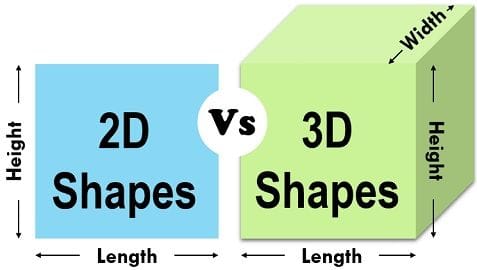
2D vs 3D CAD Drawings – Which Is Better for Manufacturing?
Computer-Aided Design (CAD) drawings are essential in modern engineering and manufacturing. They help designers, engineers, and manufacturers convert product ideas into precise technical documentation used for production.
Two common types of CAD representations used in engineering are 2D CAD drawings and 3D CAD models.
Both play important roles in the product development process, but many companies often wonder which one is better for manufacturing. Understanding the differences between these two formats can help businesses choose the right approach for their projects.
What Are 2D CAD Drawings?
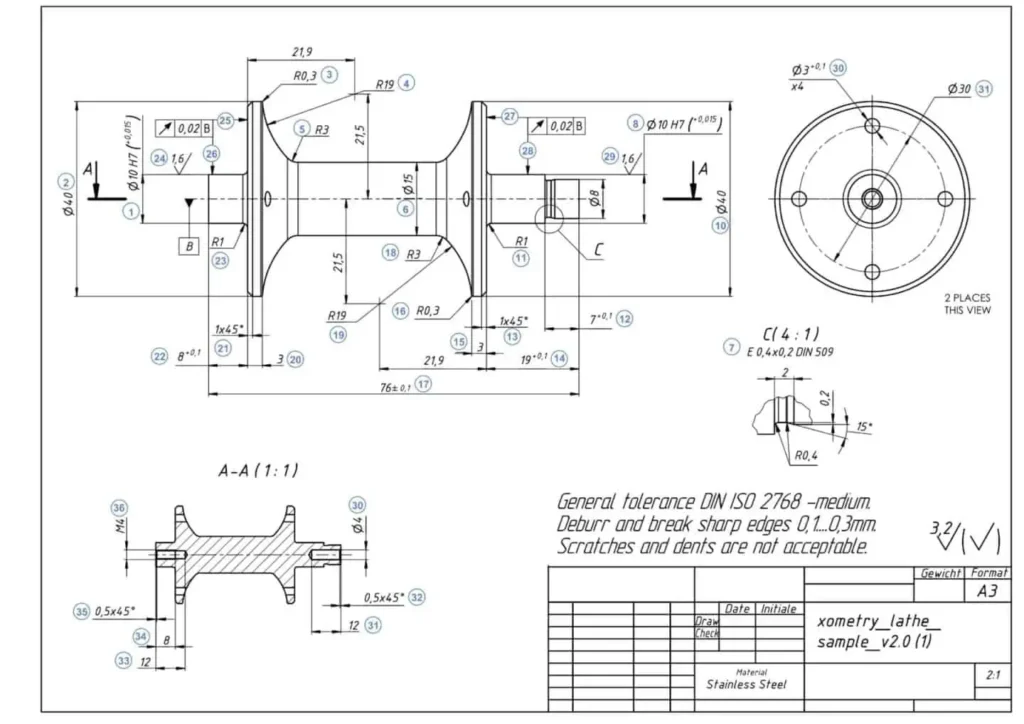
2D CAD drawings are technical drawings that represent objects using two dimensions: length and width. These drawings are typically created as flat views such as front view, top view, and side view.
A 2D CAD drawing includes detailed information like:
Dimensions
Tolerances
Material specifications
Surface finish requirements
Manufacturing notes
These drawings are widely used in mechanical engineering and manufacturing because they provide precise instructions for machining, fabrication, and assembly.
Many machine shops, fabrication workshops, and manufacturing facilities still rely heavily on 2D drawings because they are easy to read and provide the exact information required for production.
What Are 3D CAD Models?
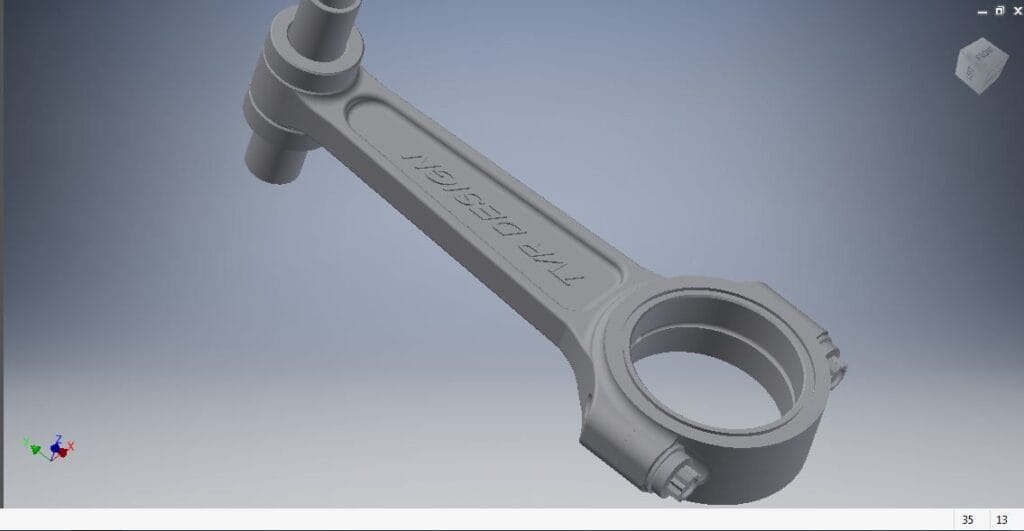
3D CAD models represent objects using three dimensions: length, width, and height. Unlike 2D drawings, 3D models create a digital representation of the product that looks similar to the real component.
3D models allow engineers to visualize parts from multiple angles and understand the geometry more clearly. They are commonly used in product design, simulation, and prototyping.
With 3D modeling, engineers can also perform advanced tasks such as:
Motion analysis
Interference detection
Product visualization
Design validation
Because of these capabilities, 3D CAD models are widely used during the design stage of product development.
Key Differences Between 2D and 3D CAD Drawings
While both 2D and 3D CAD formats are important in engineering, they serve different purposes in the manufacturing process.
Visualization
3D models provide a realistic representation of the product, making it easier to understand complex shapes and assemblies. In contrast, 2D drawings represent components using flat views and technical annotations.
Detail and Documentation
2D drawings are better suited for detailed manufacturing documentation. They clearly show dimensions, tolerances, and notes required by machinists and fabricators.
Design Development
3D CAD models are typically used during the product design stage because they help engineers analyze the shape and function of components before production begins.
File Usage in Manufacturing
While 3D models help visualize the design, manufacturers still require 2D drawings to understand the exact specifications needed to produce the part.
Why 2D CAD Drawings Are Still Essential for Manufacturing
Even though 3D modeling technology has advanced significantly, 2D CAD drawings remain the industry standard for manufacturing documentation.
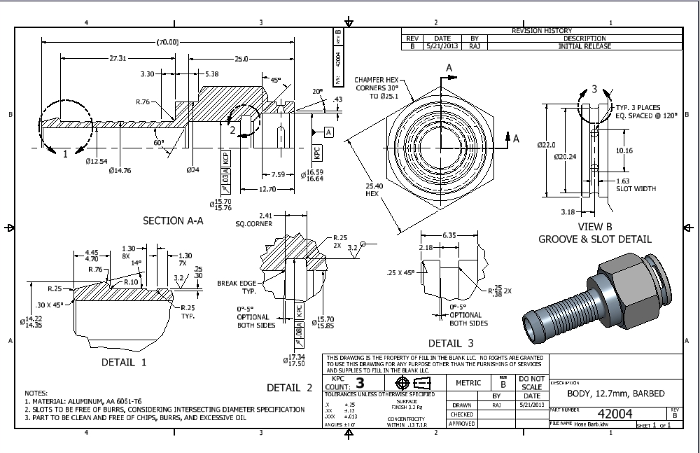
Manufacturers rely on 2D drawings because they provide clear instructions for production. A properly prepared manufacturing drawing contains critical information such as dimensions, tolerances, hole specifications, and machining details.
Without these details, manufacturers may interpret the design differently, leading to production errors. This is why most engineering companies create 2D manufacturing drawings from 3D models before sending them to production.
Advantages of 3D CAD Modeling in Product Design
Although 2D drawings are essential for production, 3D modeling provides several advantages during the design phase.
First, 3D CAD models allow engineers to visualize the product more effectively. Designers can rotate, zoom, and analyze the model from different perspectives to identify design issues early.
Second, 3D modeling improves collaboration between teams. Engineers, designers, and clients can easily understand the product concept when they see a realistic 3D model.
Finally, 3D CAD software enables simulations and testing that help improve product performance before manufacturing begins.
Combining 2D and 3D CAD for the Best Results
In most modern engineering workflows, companies use both 2D and 3D CAD together.
The typical process looks like this:
Engineers create a 3D CAD model to design and visualize the product.
Once the design is finalized, 2D manufacturing drawings are generated from the 3D model.
These 2D drawings are then used by machinists and manufacturers to produce the components.
This approach combines the visualization benefits of 3D modeling with the precision and documentation required for manufacturing.
Which Is Better for Manufacturing?
When it comes to manufacturing, 2D CAD drawings are still the most important format because they provide the detailed specifications required for production.
However, 3D CAD models play a crucial role during the design and development stages. The most effective workflow is to use 3D modeling for design and 2D drawings for manufacturing documentation.
Companies that use both formats together can improve design accuracy, reduce production errors, and streamline the product development process.
Conclusion
Both 2D and 3D CAD drawings are essential tools in modern engineering and manufacturing. While 3D CAD models help engineers visualize and develop product designs, 2D CAD drawings remain the standard for manufacturing documentation.
By combining these two approaches, companies can ensure that their designs are both easy to understand and ready for production.
At IndusDraft, we specialize in creating manufacturing-ready CAD drawings that help engineering companies and manufacturers convert their ideas into precise technical documentation suitable for machining, fabrication, and product development.
If you need help converting sketches, concepts, or 3D models into professional manufacturing drawings, feel free to contact us for a quick review and quote.